


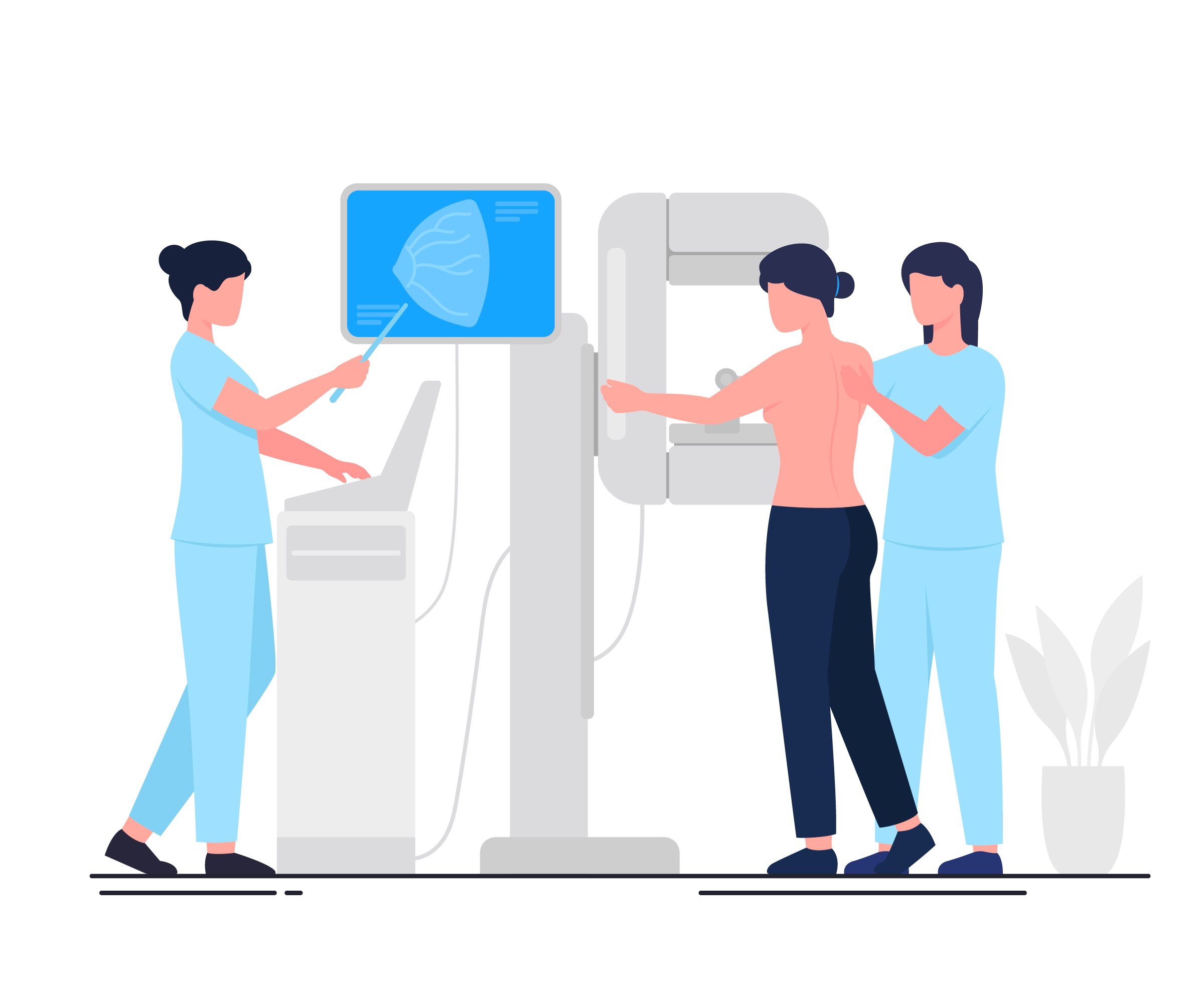
Mammograms are a critical tool in the early detection of breast cancer, which significantly improves the chances of successful treatment and survival. Here’s a clear overview of why they’re important:
What is a Mammogram?
A mammogram is a low-dose X-ray of the breast used to detect changes or abnormalities in breast tissue, often before symptoms appear.
Importance of Mammograms for Early Detection
1. Find Cancer Early
- Mammograms can detect small tumors that cannot be felt during a physical exam.
- Early detection means cancer is less likely to have spread, making it easier to treat.
2. Improves Survival Rates
- When breast cancer is found early (stage 0 or 1), the 5-year survival rate is over 90%.
- Mammograms have been shown to reduce breast cancer mortality by 20–40% in women aged 40–74.
3. Less Aggressive Treatment Needed
- Early-stage cancers often require less extensive surgery and lower doses of chemotherapy or radiation.
- This can mean a better quality of life for the patient during and after treatment.
4. Monitors Breast Health Over Time
- Regular mammograms provide a baseline and help track changes in breast tissue.
- This is especially helpful for women with dense breasts or a family history of breast cancer.
When Should You Get a Mammogram?
- Ages 40–44: Optional, based on personal risk and consultation with a doctor.
- Ages 45–54: Recommended annually.
- Ages 55+: Every 1–2 years, unless advised otherwise.
- Women at higher risk (e.g., family history, BRCA gene) may need to start earlier and/or have additional screening like MRI.
Common Myths
| Myth | Truth |
|---|---|
| Mammograms are only needed if you feel a lump | Most cancers are detected before a lump is felt |
| They’re very painful | Discomfort is brief and varies by person |
| Radiation exposure is dangerous | The dose is very low and considered safe |
Final Words
Mammograms are not just tests; they’re lifesaving tools. Regular screening, combined with self-awareness and doctor checkups, offers the best chance of finding breast cancer early—when it’s most treatable.
Would you like help creating a reminder plan or checklist for mammogram scheduling?

Leave a Reply