


What is a breast self-exam (BSE)?
A breast self-exam is a simple, at-home check you can use to learn how your breasts normally look and feel. The goal is breast self-awareness — so you can notice new or unusual changes (for example, lumps, thickening, skin changes, or nipple discharge) and report them promptly to a healthcare professional. A BSE complements, but does not replace, regular clinical exams and screening mammograms.
Why it matters
Knowing what’s normal for your body helps you spot changes sooner. Many breast changes are benign, but early evaluation means earlier diagnosis when treatment is most effective. A significant portion of breast cancers are first noticed by people performing routine checks on themselves.
How often should you perform a breast self-exam?
For most adults, performing a BSE once a month is recommended. If you still have regular menstrual cycles, choose a day a few days after your period ends when breasts are less swollen or tender. If you are post-menopausal or have irregular cycles, pick one day each month to perform the check — for example, the 1st or 15th of the month — and try to be consistent.

Three steps to perform an effective breast self-exam
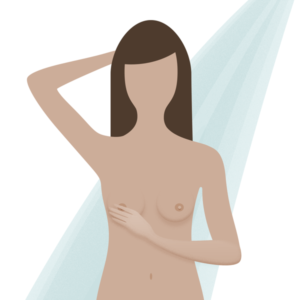
1. In the shower
With the pads of your three middle fingers, move around the entire breast and armpit area using light, medium, and firm pressure to feel the full depth of the breast tissue. Check for any new lumps, knots, or areas that feel thicker or different from the rest of your breast.
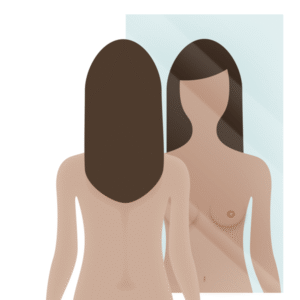
2. In front of a mirror
Stand with your arms relaxed at your sides and look for visible changes — differences in shape or size, dimpling or puckering of the skin, swelling, redness, or changes to the nipple (such as inversion or discharge). Then place your hands on your hips and press to flex the chest muscles; compare both sides carefully.
3. Lying Down
Lie flat and place a pillow under one shoulder. Put the same-side arm behind your head. Using the opposite hand, move the pads of your fingers in small circular motions to cover the entire breast area and armpit, again varying pressure from light to firm. Don’t forget to gently squeeze the nipple to check for discharge. Repeat on the other side.
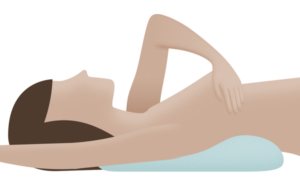
Perform all three steps (shower, mirror, lying down) to get both a visual and hands-on feel for changes.
If you discover a change — what to do next
Don’t panic. Many lumps and breast changes are benign (non-cancerous). Contact your healthcare provider promptly to describe the change and schedule an exam. If your provider is uncertain, they may recommend diagnostic imaging (like an ultrasound or diagnostic mammogram) or a clinical breast exam. Early evaluation is the safest approach.
Can BSEs replace screening mammograms or clinical exams?
No. Mammograms and clinical breast exams can detect cancers before they become palpable. Breast self-exams are a complementary habit — they increase your body awareness and help you notice changes between formal screenings. Always follow guideline recommendations from your healthcare provider about the timing of screening mammograms and clinical exams.